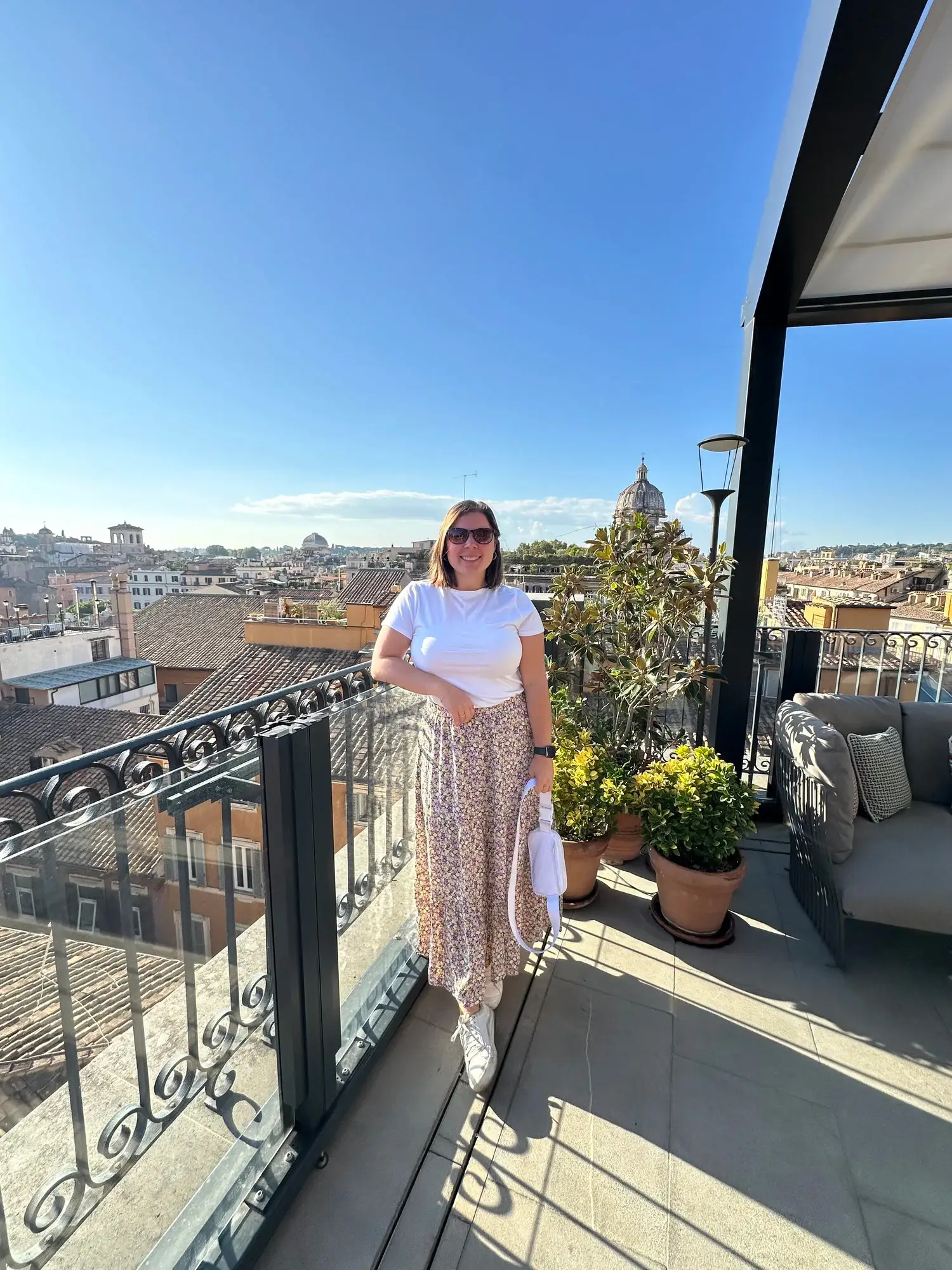




Off-Season Travel: What You Gain When You Go Against the Calendar
No, it’s not just about saving on price.

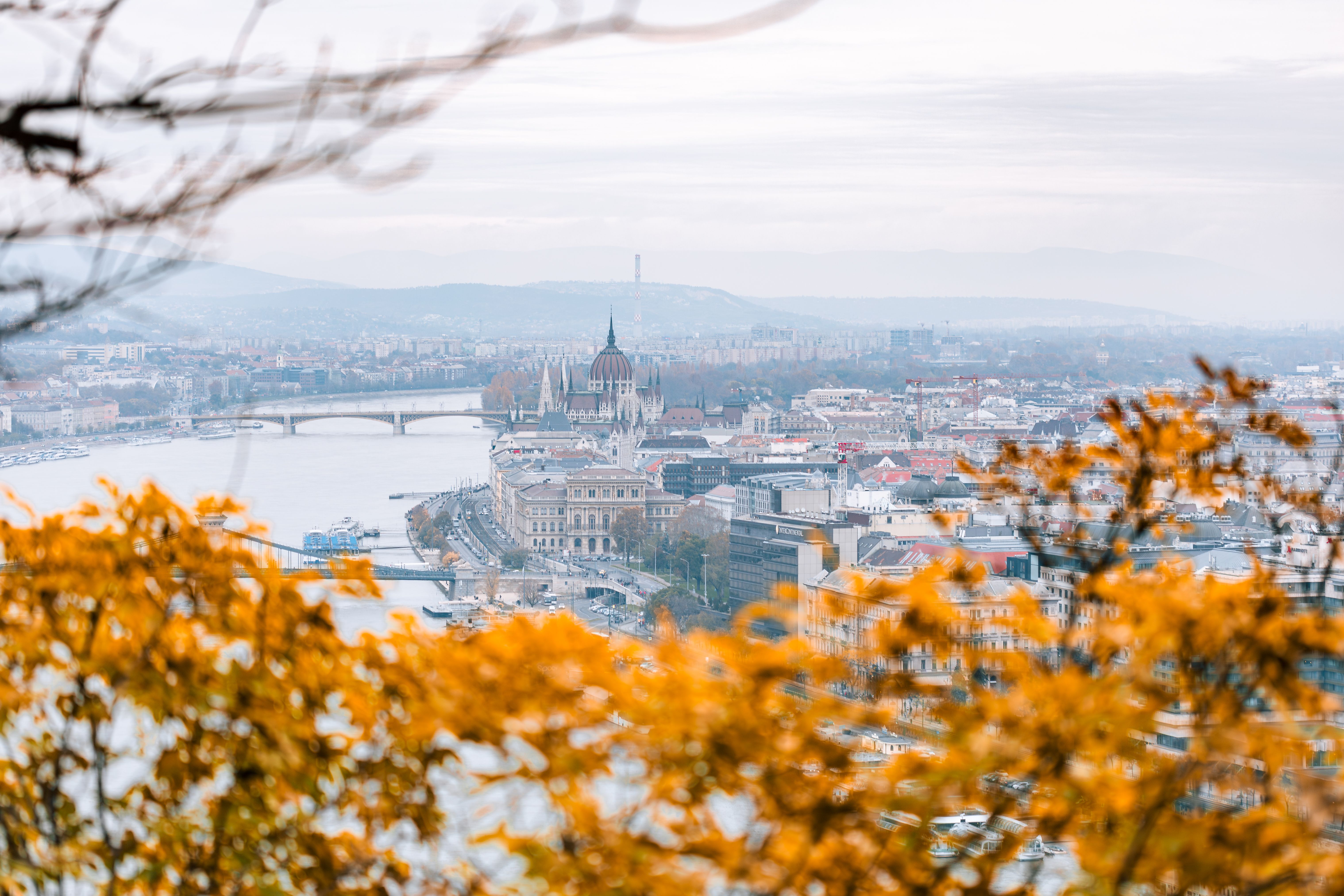

There is a version of the Amalfi Coast most people never see. The restaurant that spent May posting waitlists on Instagram now has a table by the window whenever you want it. The light in the afternoon is low and gold, and the terraced hillsides are not competing with anyone else's phone snapping photos.
That version exists from November through March, but most travelers miss it entirely.
The case for off-season travel is almost always framed around cost savings, and yes, the economics are real. But that's the least interesting reason to change your plans. The more compelling argument is what actually changes when you travel outside the peak window: the pace, the access, the texture of a place, and your relationship to it.
What the Shoulder Season Actually Changes
In peak season, many of Europe's most beloved destinations are essentially operating in crowd management mode. The infrastructure is optimized for throughput, not experience. Hotels are full, restaurants are turning tables, and the sites everyone came to see are shared with thousands of other people having the exact same experience at the exact same time.
Off-season strips that away. What remains is closer to the actual place.
In Santorini in July, sunset is a wall of people jockeying for the same photograph. In October, you can sit there with a glass of wine and actually watch the sun go down. The view is the same, and the experience is significantly better.
Trust us, this is the consistent report from travelers who have done both.
The Destinations That Reward This Most
Not every place improves off-season. But certain destinations transform.
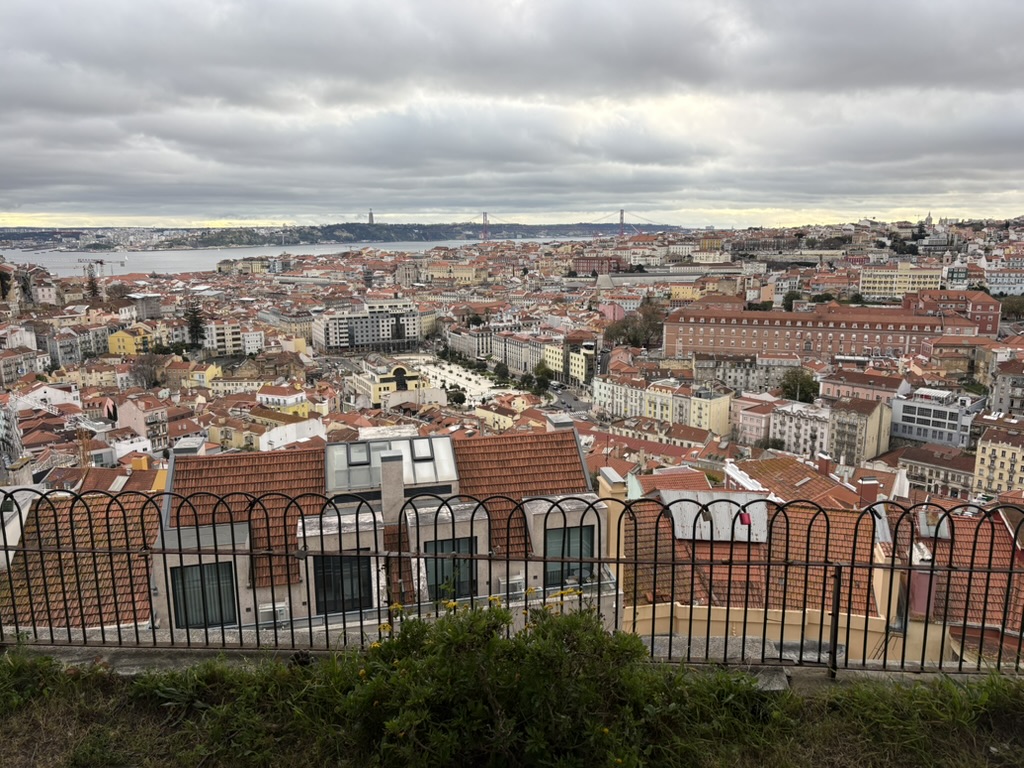
European Cities: Rome, Paris, Prague, Lisbon
Major European capitals are genuinely better in the late fall and early spring. The lines at the Colosseum and the Vatican are a fraction of summer's. Restaurants that require weeks of advance booking in peak season are reachable. The locals are actually there, and the city starts to feel like a city again rather than a theme park version of itself.
Lisbon in November is one of the more underrated travel experiences in Europe. The weather is mild, the tiles shine after the occasional rain, and the fado clubs are full of people who live there. It is a completely different city from the one that greets cruise ships in August.
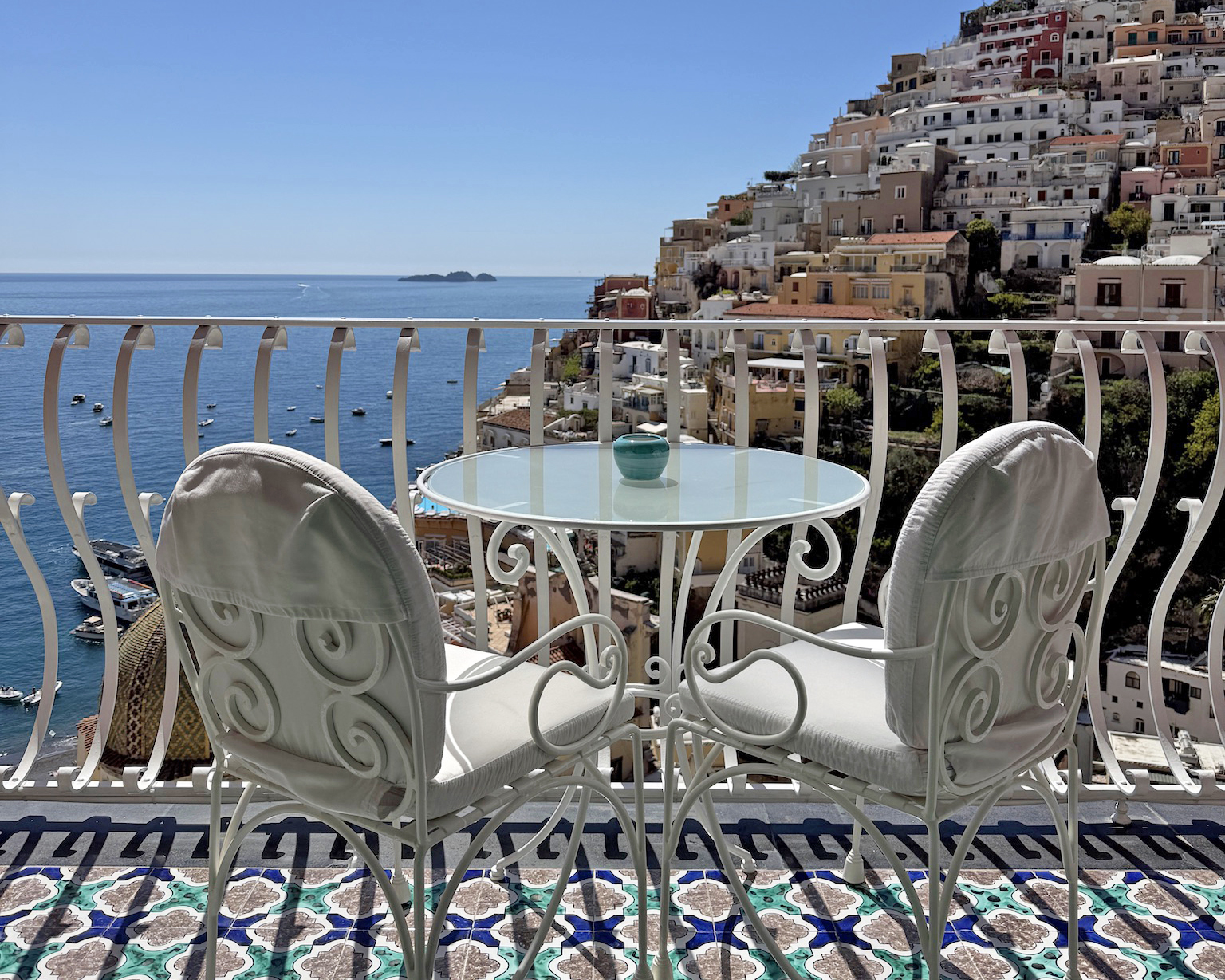
The Amalfi Coast: September Through November
Summer on the Amalfi Coast is a test of patience. The roads are gridlocked, the famous beach towns are packed to the edges, and the hotels that looked serene in photographs are operating at full capacity in both rooms and noise.
September is when the Coast actually delivers on its promise. The water is still warm enough to swim. The crowds have thinned. The lemon groves are at their fullest. The restaurants, still in high spirits after the summer, are turning out some of the best food of the year. By October, you almost have it to yourself.

The Greek Islands: May and October
The Greek islands in high summer are extraordinary. They are also extremely crowded, extremely expensive, and extremely hot. May and October offer a version that is nearly as beautiful, significantly more pleasant, and accessible in a way that July and August simply are not.
In May, the wildflowers are still on the hillsides. The hotels have not yet entered peak pricing. You can walk the caldera path in Santorini without stopping every three feet for someone else's photo. In October, the sea is still swimmable and the tavernas are settling into the warm, unhurried rhythm that most people picture when they imagine Greece but rarely find in the height of summer.
The Practical Case
Beyond experience, the logistics are genuinely easier off-season. Hotel availability opens up. The properties that were sold out months in advance now have inventory. Tables at the restaurant you actually wanted are obtainable. Your advisor has more room to construct something thoughtful rather than working within the constraints of a near-sold-out landscape.
The travelers who travel best have figured out that the calendar most people follow is not the one that produces the best trips. It is just the one that is most legible and easiest to default to.
Going against it takes a small amount of flexibility and a willingness to let go of the idea that peak equals best. What you get in return is a version of the destination that most visitors never encounter, and a trip that actually matches what drew you there in the first place.