
The New Luxury Isn't a Destination
There used to be a straightforward way to signal that you'd traveled well. You went somewhere extraordinary like Paris, the Amalfi Coast, or the Maldives, and that destination carried the weight of the experience. The place was the story.
Something has shifted, and we think it’s for the better.
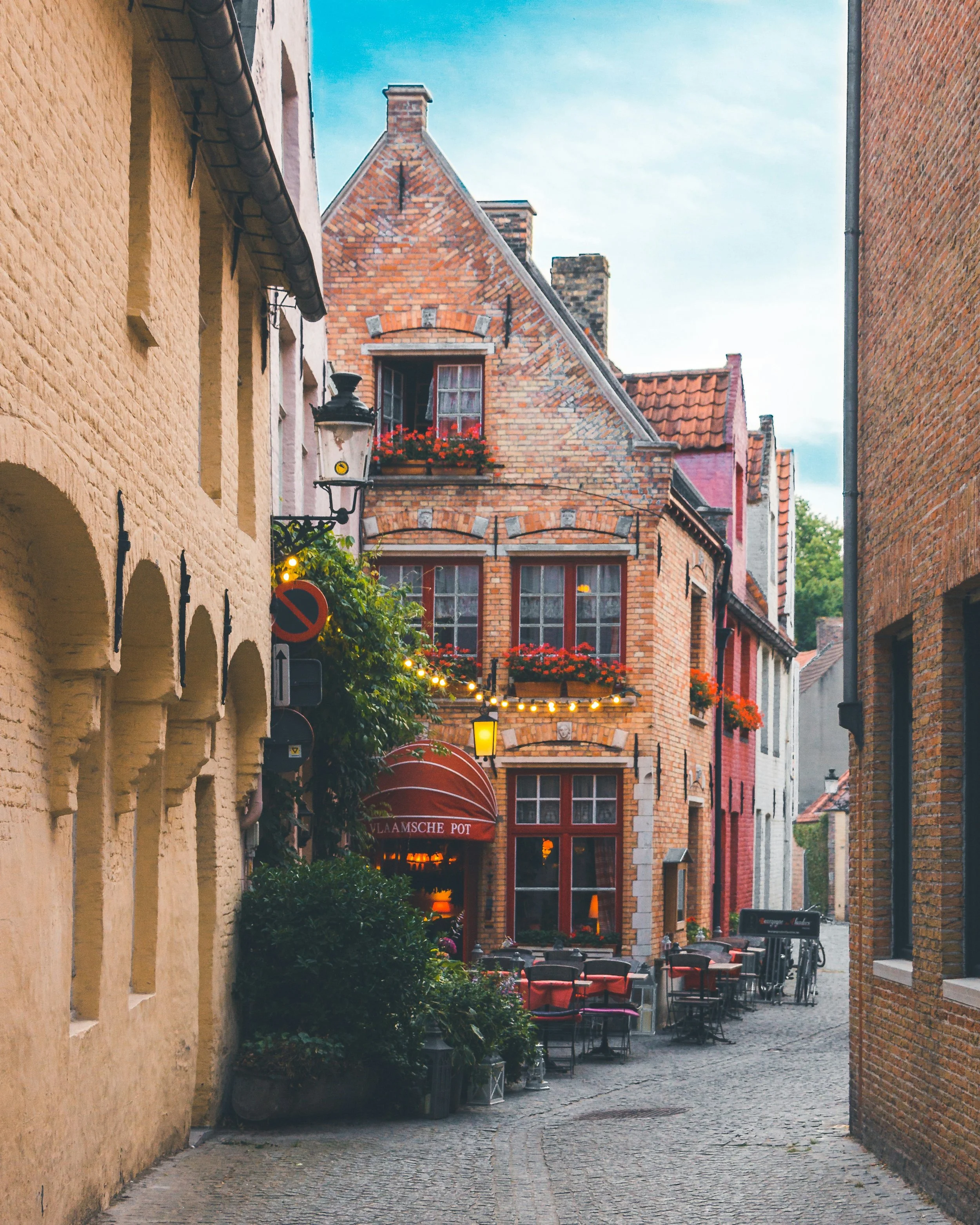
The travelers we work with aren't leading with destinations anymore. They're talking about the afternoon they spent with a craftsman who hasn't taken a new client in years. The wine cellar in Cannes that doesn't show up on any list, where the owner opened a 1962 Bandol because the evening felt right. The fishing village that their advisor knew before anyone was writing about it.
The destination is merely a backdrop to the incredible memory-creating experience.
Why This Is Happening
The world's most discerning travelers have been everywhere. Or at least, they've been everywhere that's easy to find. After a certain point, a beautiful place you've already been to, or that everyone you know has been to, stops feeling like a discovery.
What genuinely moves people now is access. Not access in the velvet-rope sense, not the suite upgrade or the priority boarding, but the kind of access that comes from relationships built over years. A contact who calls ahead. A local who knows that the market on Thursday is the real one. A sommelier who pulls something from the back because they trust you to appreciate it.
This is what luxury travel actually looks like in 2026. Not exclusivity for its own sake, but depth. Moments that couldn't have been planned by an algorithm, because they require human touch.
The Practical Difference
Here's what this looks like in practice. Two travelers could spend a week in Athens and have wildly different experiences. One follows the standard itinerary: the Acropolis, a nice hotel in Monastiraki, a roof terrace at sunset. Genuinely lovely.
The other has a conversation with their advisor before they go. That advisor has a contact at a family-run archaeological consultancy. She arranges a private early-morning walk through a neighborhood most tourists never find, guided by someone whose grandfather excavated it. Dinner that night is at a table that doesn't exist on any reservation platform, in a courtyard behind a door with no sign.
Both travelers went to Athens. Only one of them has a story they'll still be telling in ten years.
What This Means for How We Plan
At Rising Tide, this shift has changed how we think about every itinerary. Destination still matters – where you go shapes what's possible. But we're spending more time on the question of what we want you to feel than on the question of where you want to go.
That usually means asking different questions upfront. What do you want to understand better? What kind of person do you want to meet? What's the version of this trip you couldn't plan yourself?
Sometimes the answer is a craftsman in Ireland who still works in a technique no one else has kept alive. Sometimes it's a chef in Tokyo who will only cook for four people at a time, and only if someone vouches for you. Sometimes it's simply a morning on a boat with a captain who has fished these waters for forty years and knows exactly where the light will fall.
None of those things are listed anywhere. They exist because of relationships, and because the people doing the planning care about the difference between a trip and an experience.
How This Changes You
There's research that supports what frequent travelers seem to learn eventually: experiences create more lasting happiness than almost anything else we spend money on. And within experiences, the ones that stand out are the ones that feel specific to a place, a person, or a moment in time.
A conversation that changes how you think about a place, or about yourself, is something you carry home.
The travelers who've found their way to experience-led itineraries almost always describe a version of the same thing: they stopped trying to see everything and started going deeper into fewer things. They came back changed, not just rested.
If You’re Ready for a Trip
The question worth asking isn't 'Where should we go?' – though that matters! It's 'What do we want this trip to do for us?'
The more honest and specific your answer, the better we can build around it. That's true whether you're planning a week in the Greek islands, a month across Southeast Asia, or a river journey you haven't quite imagined yet.
The best travel we've been part of starts with that question. Everything else – the destination, the dates, the properties – follows from there.